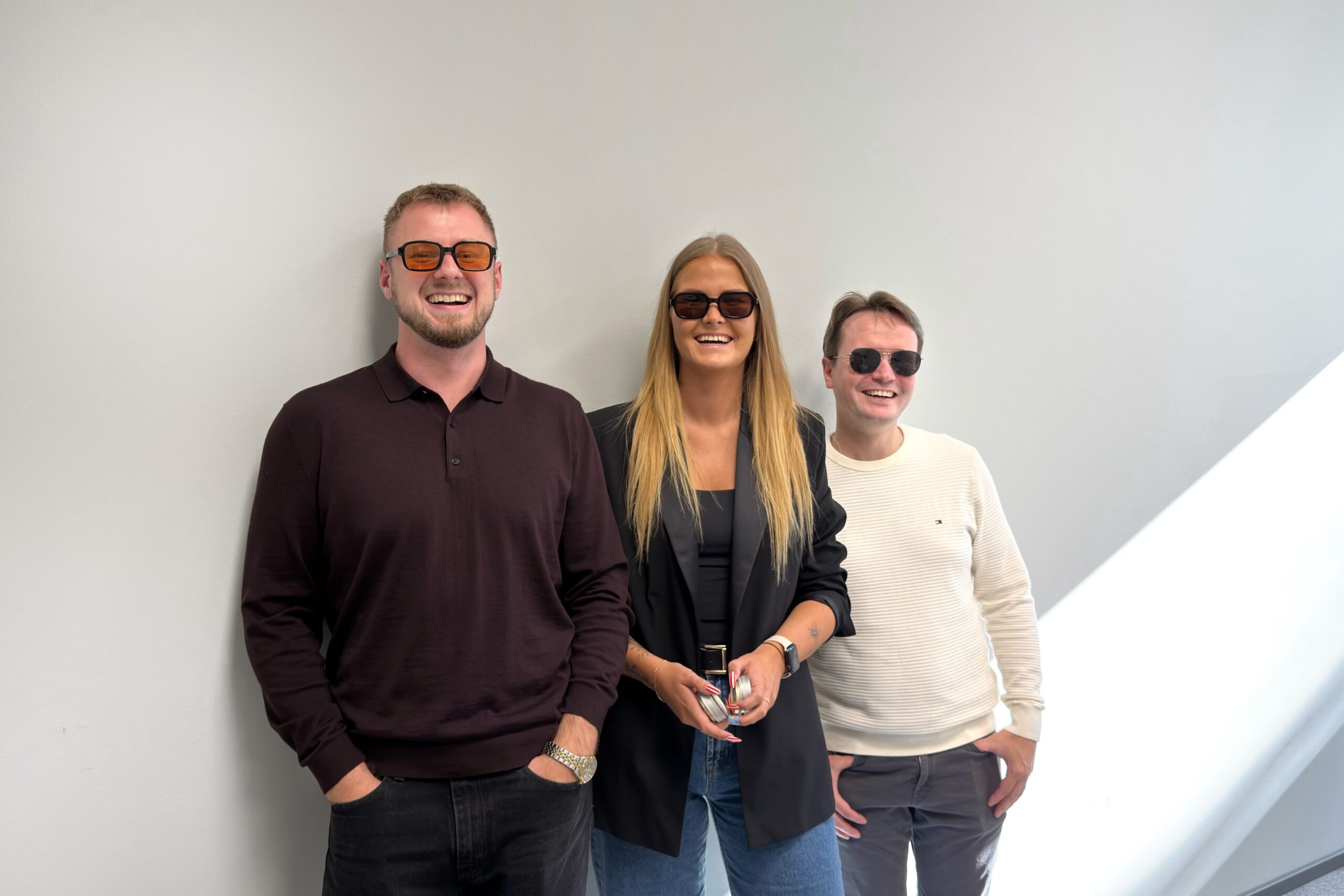
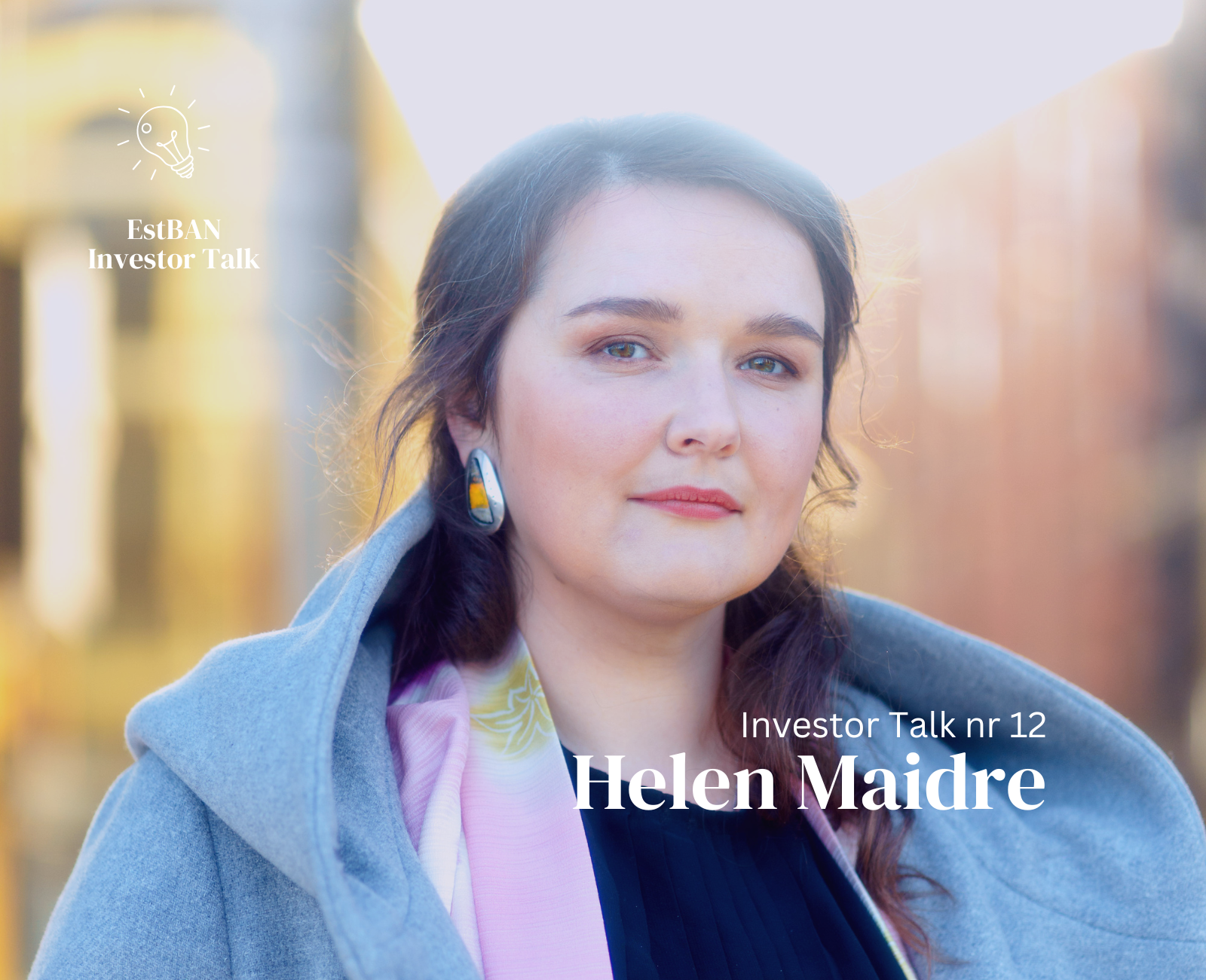
Helen joined EstBAN in 2021 – a vulnerable time with global pandemic limitations on and off as the information changed. During past several EstBAN and other startup events she’s been going around with realistic spare limbs in her handbag. Not to scare people or play Halloween, but to help save lives in disaster medicine training and live up to her grandmother’s dream who believed one has to work either in medicine or law.
How did you get into angel investing?
I joined in 2021 after receiving a payout from Wise. I felt that I wanted to put some of that money back into the ecosystem that had given me so much. Today people talk about the “Wise Mafia” – former employees and early contributors who go on to build new companies. That idea resonated with me. A friend and I joined EstBAN together, and syndicates felt like the right place to start. I didn’t yet feel confident enough to conduct full due diligence on my own.
I’m currently involved in three syndicates and have made a few solo angel investments as well. One reason I value syndicates is the quality of the due diligence process. I’ve also learned an important lesson: don’t invest just because other investors are doing so. One investment I joined largely because I trusted the crowd, hasn’t worked out too well.
What is your background?
I started by studying law, later moved on to recreation management, and more recently health promotion at Tallinn Health University of Applied Sciences. Although I never worked directly in law or recreation management, healthcare has always been close to me as much of my family works in medicine. At heart, I’m still a business person. As I like to say: in medicine and law you work, but in entrepreneurship you build.
How do you decide where to invest?
I always look at the team first. If I don’t believe in the founders, I won’t invest. Personally, I’m interested in defence and healthcare. Both sectors require patience, significant capital, and have long development cycles, which is why I haven’t invested heavily in either yet. But I’m building myself in defence and medicine through PropsAid now.
Tell us about PropsAid.
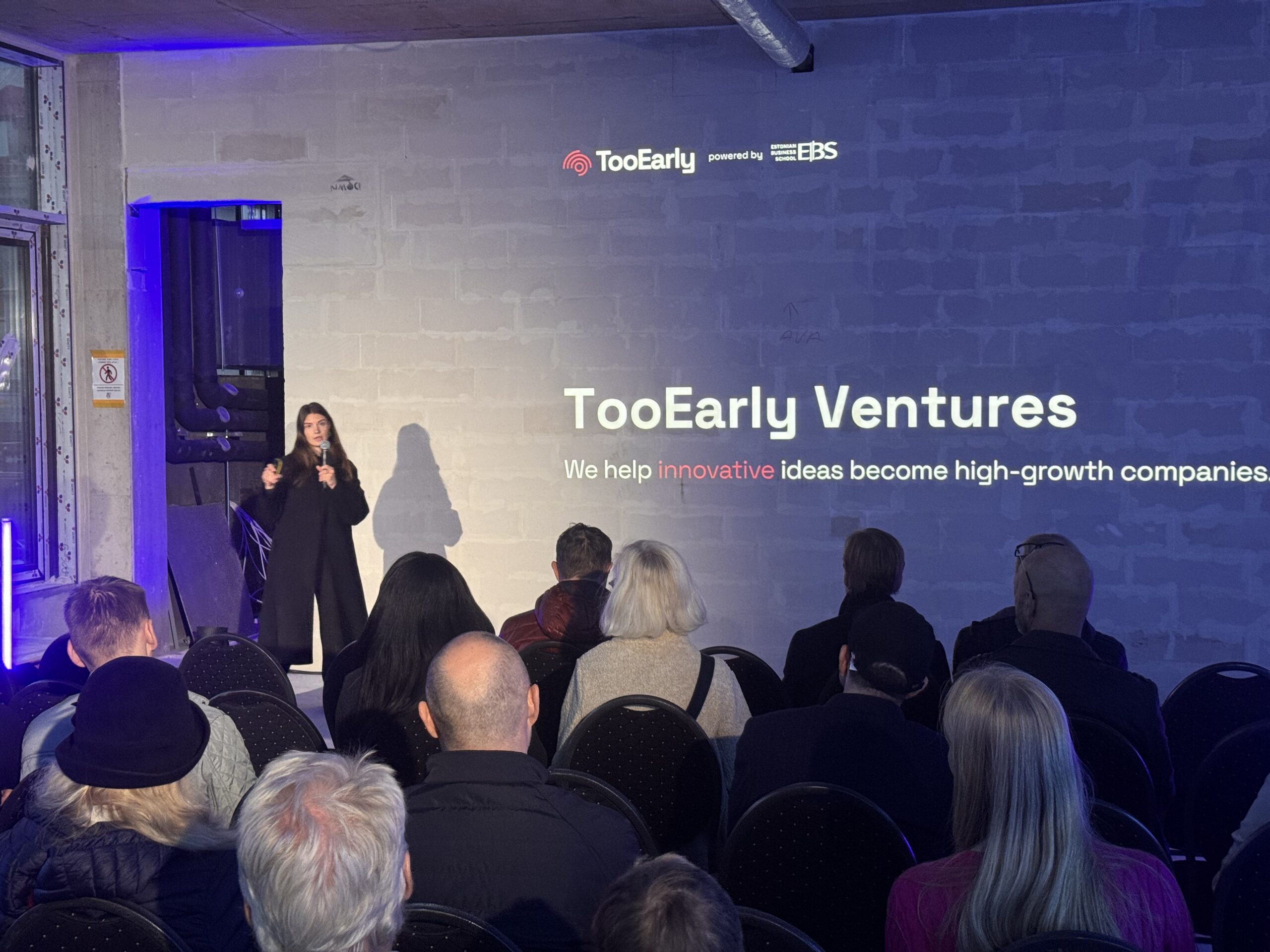
While studying health promotion, I was looking for opportunities in healthcare and eventually joined PropsAid, a company focused on disaster medicine and medical training. My role is helping the company grow internationally. Recently, PropsAid received a €10,000 grant through the Visa She’s Next programme. We’re currently focused on bootstrapping and growing sustainably before considering external investment.
You’ve even co-authored a book, Leading People for the First Time. How did that come about?
While working as a consultant, I noticed I was answering the same management questions repeatedly. That led to a blog, which eventually became Leading People for the First Time. When most leadership books focus on mindset, we wanted to create a practical guide for first-time managers covering topics like, prioritisation, productivity, meetings, communication, and everyday management challenges.
Where do you get your own information and inspiration?
Naturally, I would recommend reading my book – Leading People for the First Time.
But if I had to choose one book that has influenced my thinking the most, it would be Thinking in Systems by Donella H. Meadows. I’ve read it more than ten times. It teaches you to see connections, feedback loops, and unintended consequences – lessons that are useful in management, entrepreneurship, and investing alike.
What advice would you give to a new angel investor?
First, learn how investing actually works. Participate in training programmes. Join syndicates. Understand what investors look at during due diligence and how risks are evaluated.
Second, don’t invest simply because someone else is investing. One of my mistakes was backing a company largely because I trusted the other investors involved. That experience reminded me that every investor still needs to do their own thinking.
Does a good investor need a finance degree?
No. What matters more is persistence, resilience, and curiosity. Financial knowledge can be learned. What is harder to teach is the willingness to keep learning, stay patient, and continue moving forward when things don’t go according to plan.
What has EstBAN meant to you?
One thing I have really enjoyed seeing is the growing visibility of women in the network. When I joined in 2021, there were fewer female investors and role models. When we were introduced as new joiners there was a note about celebrating more women joining. Today there are more women actively investing, serving on the board, and contributing to the community. That’s a very positive development.
Beyond investments, EstBAN has given me access to people I genuinely enjoy spending time with. Some of the most valuable conversations don’t happen in formal meetings or pitch sessions but over a cup of coffee with fellow investors.
Take a closer look at what Helen is up to:
- Leading People for the First Time (in English)
- “Uute juhtide käsiraamat” (eesti keeles)
- PropsAid
Photo credits: Sten Ottep
EstBAN Investor Talk series
- Liina Joller-Vahter
- Kuido Lepik
- Aleksander Tõnnisson
- Jana Budkovskaja
- Kristjan Raude
- Jan Lätt
- Sandra Globreich
- Paavo Siimann
- Ivar Siimar
- Olga Luštšik
- Grete Pariis