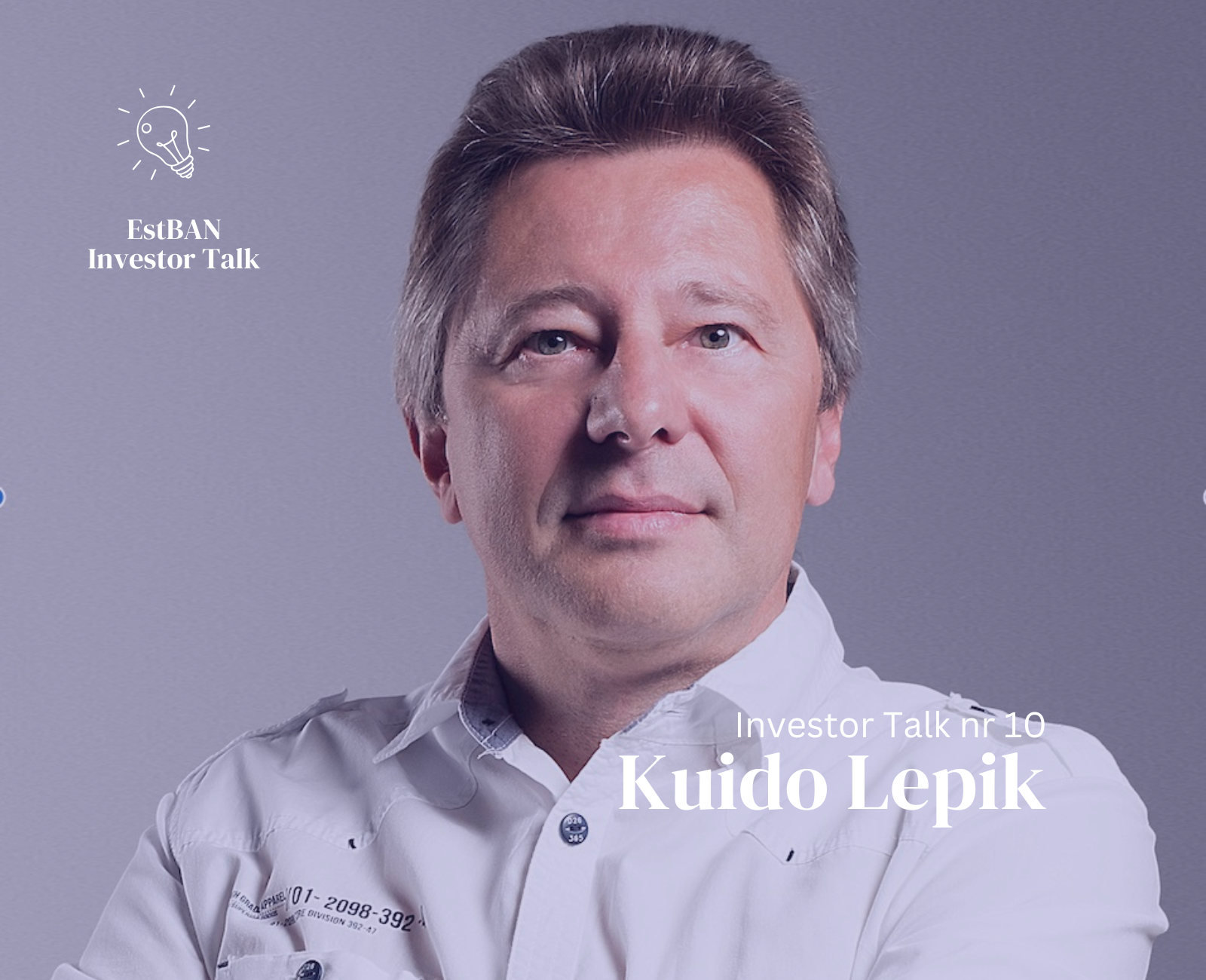
EstBAN is turning 15 next year and Kuido Lepik has been a member over ten years now. He’s definitely part of the original-establishing angel investor crowd in Estonia. We chatted on working oneself up from a salesman to investor and also the fun part – his dream exit and living on a sailboat.
When did you become an investor?
I started my career at a company called Signiti as a salesman. Over time I bought shares and eventually bought the company out completely. At some point I realised I had more capital than I could productively use inside my own business. Around that time I got excited about a startup called Playluggage. I did not end up investing in it, but that curiosity led me to attend my first EstBAN pitch event in late 2014.
After that event I joined EstBAN and, perhaps a bit too enthusiastically, invested in around ten startups during my first year. I was driven mostly by instinct. Only later did I fully understand that angel investing is portfolio business. When some early companies failed, I started to take a more structured approach.
How has your investment philosophy evolved?
Initially I invested in ideas that resonated with me. Over time I realised that ideas are secondary. The team is what really matters. At the same time, evaluating teams is not easy. You cannot truly assess a founding team from a onepager. I also learned to avoid areas I do not understand. For example, I do not feel confident evaluating complex biomedical projects, so I am cautious there. Today I prefer not to invest alone. I am involved with Trind, Specialist and Siena Secondary. I need discussion partners and second opinions. Through my own entrepreneurial experience I have realised that I am not always the best judge of people. Because of that, I do not feel comfortable making high-risk investment decisions entirely on my own.
Did you invest before startups?
Yes, I invested in public markets before I became an angel. Around 2016 and 2017, when I became more active in startups, my portfolio shifted heavily towards private investments, well over half at one point. Later I corrected that and rebalanced towards listed assets again. Today my portfolio is more diversified, I think.
What have been your successes and failures?
I have not had extreme outcomes on either side. I learned early that if a founder consistently ignores investor feedback, that is a red flag. In one case I recognised it, but still continued investing, which was a mistake. I have had a few relatively quick exits within two to three years that returned between 2-3,5X the investment. In one case, Autolevi, I acted as lead investor on Funderbeam. I have also experienced situations that initially looked negative but later recovered due to the investment structure.
What has EstBAN meant for you?
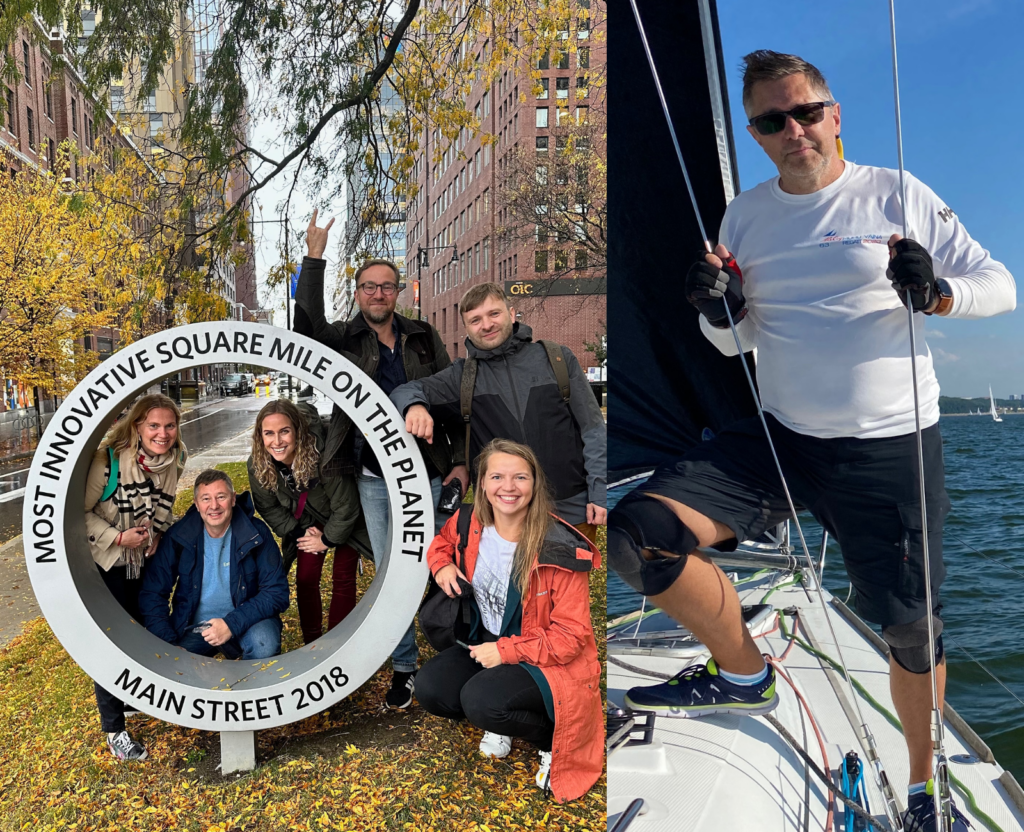
The most important value has been the people. Joining EstBAN exposed me to a completely different way of thinking and a new crowd of people. Hearing how other investors analyse opportunities broadened my perspective significantly. I also value the international study trips. Meeting investors and founders abroad, including in the United States, has been eye-opening. Through EstBAN I gained access to venture funds and co-investment opportunities that would be difficult to access alone. Just as important is having a community where you can exchange views and test your thinking before making decisions.
Where does your dealflow come from?
A significant amount comes directly from founders reaching out. I try to respond to everyone, even if it is just to say no or to point them in another direction.
Are you a numbers and spreadsheet person?
I tend to simplify Excel sheets. I prefer numbers that can be calculated mentally and understood intuitively. We all make decisions emotionally, whether we admit it or not. The key is being aware of that and balancing emotion with rational analysis. I do not currently maintain an overly complex tracking system.
What would be your dream exit?
Bolt going public.
What would you recommend to a beginner angel investor?
Participate in the full investment process at least once. Join evaluation committees, syndicate preparations and discussions. Sitting at the table where startups are debated is the fastest way to learn. Listening to how experienced investors justify their decisions teaches more than reading any guide.
What do you do when you are not thinking about your company or your investments?
I sail and recommend it to everyone. Sailing takes you to places you would not otherwise go and teaches patience and adaptability. I started in my early twenties in a youth sailing club, took a 20-year break, and have now happily returned to it. I sail on Wednesdays and participate in the Moonsund Regatta every year. One day I would like to spend a year living the sailing life more fully.
EstBAN Investor Talk series
- Aleksander Tõnnisson
- Jana Budkovskaja
- Kristjan Raude
- Jan Lätt
- Sandra Globreich
- Paavo Siimann
- Ivar Siimar
- Olga Luštšik
- Grete Pariis